Skin redness can be a distressing issue, often signaling underlying conditions, allergies, or irritation. Whether caused by sun exposure, acne, rosacea, or environmental factors, it’s essential to understand how to manage and alleviate this common skin concern. This article will explore practical strategies to help reduce skin redness effectively.
Many people experience skin redness from time to time. It can manifest as flushing, localized irritation, or more widespread redness across the face or body. Understanding the triggers and adopting tailored approaches can significantly improve your skin’s appearance and comfort level. This discussion aims to inform you about actionable steps you can take to minimize skin redness.
From natural remedies to lifestyle changes, a wealth of alternatives are available. Let’s delve into the different methods and practices that can help ensure your skin retains its natural glow without the unwanted red hues.
Table of Contents
ToggleUnderstanding the Causes of Red Skin
To effectively combat skin redness, one must first identify its origins. Understanding the various causes can help direct the appropriate treatment or remedy.
Allergies and Sensitivities
Allergic reactions to skincare products, cosmetics, and environmental allergens can trigger redness. It’s essential to perform patch tests on new products before applying them widely.
Skin Conditions
Conditions like rosacea, eczema, and psoriasis are prevalent culprits behind persistent redness. Consulting a dermatologist for an accurate diagnosis is crucial for effective treatment.
Environmental Stressors
Factors such as pollution, UV rays, and harsh weather can lead to skin irritation and redness. Protective measures can help minimize these adverse effects on your skin.
Lifestyle Factors
Diet, hydration, and stress levels can also influence skin hue. A balanced lifestyle plays a significant role in maintaining skin health.
Daily Skin Care Routine for Redness Reduction
Implementing a thoughtful skincare routine is essential in managing skin redness. This approach ensures your skin receives the care it needs to combat irritation.
Gentle Cleansing
Choose a mild, fragrance-free cleanser. It should effectively remove impurities without stripping natural oils that protect your skin. Avoid vigorous scrubbing to reduce irritation.
Targeted Treatments
Look for products containing anti-inflammatory ingredients like niacinamide, green tea extract, or aloe vera. These can help calm irritated skin and lessen redness over time.
Moisturizing Daily
A suitable moisturizer creates a barrier that locks in hydration. Opt for non-comedogenic and hypoallergenic brands to support sensitive skin without exacerbating redness.
Sunscreen Protection
Daily sunscreen application is crucial. Look for broad-spectrum UVA/UVB protection with a minimum SPF of 30. This can help prevent sun-induced redness and irritation.
Home Remedies for Immediate Relief
Sometimes, quick relief is needed. Several home remedies can offer immediate assistance in reducing skin redness.
Cool Compresses
Applying a cool, damp cloth to the affected area can soothe skin and reduce redness. This method helps alleviate inflammation and discomfort rapidly.
Green Tea Extract
Green tea possesses anti-inflammatory properties. Applying a cooled green tea bag to the skin can alleviate redness and irritation while providing antioxidants.
Aloe Vera Gel
This natural remedy is renowned for its soothing properties. Applying pure aloe vera gel can relieve redness and hydrate the skin simultaneously.
Honey and Yogurt Mask
A combination of honey and yogurt can soothe inflamed skin. Both ingredients possess anti-inflammatory properties and create a hydrating mask effect when applied together.
| Remedy | Description | Benefits |
|---|---|---|
| Cool Compress | A chilled cloth or ice pack applied to the skin. | Reduces inflammation and offers immediate relief. |
| Green Tea | Cooled tea bags placed on affected areas. | Provides antioxidants and calms irritation. |
| Aloe Vera | Pure aloe gel applied to skin. | Soothes and hydrates while reducing redness. |
Dietary Changes for Healthy Skin
Nutrition plays a significant role in skin health. A balanced diet can help combat skin redness and improve overall skin appearance.
Anti-Inflammatory Foods
Incorporate foods rich in omega-3 fatty acids, such as fatty fish, walnuts, and flaxseeds. These can help reduce overall inflammation in the body, including the skin.
Hydration
Staying hydrated is vital for skin health. Aim to drink at least 8 glasses of water daily, which helps maintain skin elasticity and reduces redness.
Vitamins and Minerals
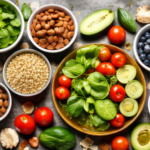
Essential vitamins like Vitamin C and E can aid skin repair and boost immunity. Adding fruits, vegetables, and nuts to your diet provides these nutrients while enhancing skin health.
Stress Management Techniques
Stress can exacerbate skin conditions, leading to increased redness. Implementing effective stress management techniques can significantly benefit your skin’s health.
Mindfulness and Meditation
Practicing mindfulness can provide relaxation and reduce stress levels, which may help with redness associated with skin conditions. Meditate for a few minutes daily to clear your mind.
Exercise Regularly
Regular physical activity promotes circulation and reduces stress. Aim for at least 30 minutes of moderate exercise most days of the week to support overall skin health.
Quality Sleep
Ensuring you get enough restful sleep can help your skin repair and regenerate more effectively. Aim for 7-9 hours of sleep per night for optimal skin health and appearance.
When to Seek Professional Help
While home remedies and lifestyle adjustments can be effective, sometimes professional intervention is necessary. Knowing when to reach out is crucial for long-term skin health.
Persistent Redness
If redness persists despite at-home treatments, it’s essential to consult with a dermatologist. They can identify underlying conditions and suggest appropriate medical treatments.
Severe Reactions
Severe reactions, such as swelling or pain, necessitate immediate medical attention. Do not hesitate to seek professional advice in such cases.
Allergic Reactions
If you suspect that a product has caused an allergic reaction leading to redness, stop using it and consult with a healthcare professional. They may recommend alternatives.
Conclusion
Reducing skin redness requires a combination of understanding underlying causes, adapting a gentle skincare routine, and incorporating home remedies. Beneficial dietary choices and lifestyle changes also contribute positively. Remember that everyone’s skin is different; what works for one person may not be suitable for another. If redness persists or worsens, seeking professional guidance is pivotal for effective management and treatment. By taking a proactive approach, you can nurture your skin and improve its overall appearance and health.
FAQ
What Are the Common Causes of Skin Redness?
Common causes include allergic reactions, skin conditions like rosacea, environmental stressors, and lifestyle factors such as diet and hydration levels.
How Can I Find the Right Skincare Products for Sensitive Skin?
Look for products labeled as hypoallergenic or non-comedogenic. Always perform a patch test when trying new items to avoid adverse reactions.
Are Home Remedies Effective for Reducing Skin Redness?
Yes, home remedies like aloe vera, honey masks, and cool compresses can soothe irritated skin and provide temporary relief from redness.
When Should I Consult a Dermatologist?
You should see a dermatologist if redness persists, worsens, or is accompanied by other symptoms like swelling, pain, or itching, as it may indicate an underlying condition.