
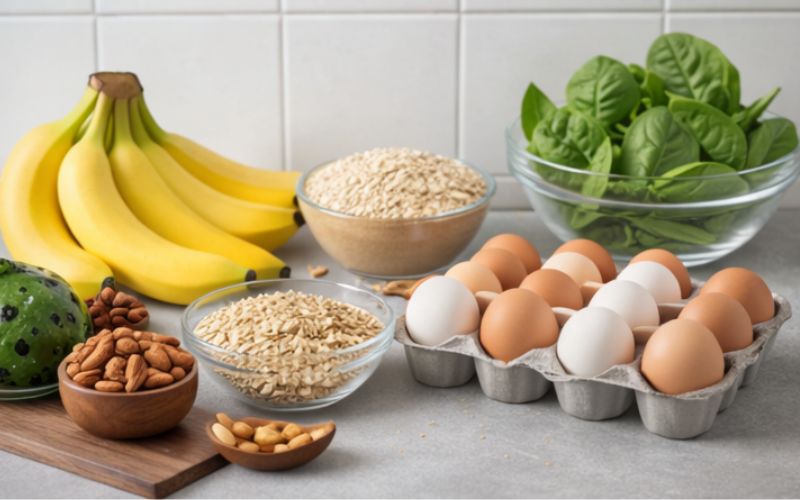
Eating for health and energy doesn’t require exotic ingredients or complicated meal plans. In fact, many of the foods that support your body best are already part of everyday kitchens around the world. When chosen wisely and eaten regularly, simple foods can help you feel more energized, focused, and balanced throughout the day.
This beginner-friendly guide explores everyday foods that support overall health and energy, explains why they matter, and shows how to include them naturally in daily meals—without stress, extremes, or strict rules.
Table of Contents
ToggleWhy Everyday Foods Matter More Than “Superfoods”
You’ve probably heard about trendy superfoods that promise amazing benefits. While they can be nutritious, relying on rare or expensive items isn’t necessary. Consistency beats novelty when it comes to nutrition.
Everyday foods:
- Are easier to find and afford
- Fit naturally into regular meals
- Support long-term eating habits
- Work well together when combined
Health and energy come from patterns, not single ingredients.
What Does “Energy-Supporting Food” Really Mean?
Energy-supporting foods help your body:
- Release energy steadily
- Avoid extreme highs and crashes
- Feel satisfied after meals
- Maintain focus during daily activities
These foods usually contain a mix of:
- Carbohydrates
- Protein
- Healthy fats
- Fiber
- Natural vitamins and minerals
Everyday Food Groups That Support Health and Energy
1. Whole Grains: Steady Energy for the Day
Whole grains provide carbohydrates along with fiber, which helps slow digestion and maintain steady energy levels.
Common whole grains include:
- Brown rice
- Oats
- Whole wheat bread
- Barley
- Millet
Easy ways to use them:
- Oatmeal for breakfast
- Brown rice with lunch or dinner
- Whole grain toast with eggs
2. Fruits: Natural Energy Boosters
Fruits contain natural sugars along with water and fiber, making them refreshing and energizing without feeling heavy.
Everyday fruit options:
- Bananas
- Apples
- Oranges
- Berries
- Mangoes
Practical tip: Pair fruit with a protein or fat (like yogurt or nuts) to stay full longer.
3. Vegetables: Daily Support for the Body
Vegetables don’t always get credit for energy, but they play a key role in helping your body function smoothly.
Energy-supporting vegetables include:
- Spinach and leafy greens
- Carrots
- Tomatoes
- Bell peppers
- Potatoes
Aim for a mix of colors across the week rather than perfection every day.
4. Protein-Rich Foods: Staying Full and Focused
Protein helps support muscle maintenance and keeps meals satisfying, which can help prevent frequent snacking.
Everyday protein sources:
- Eggs
- Chicken or fish
- Lentils and beans
- Yogurt
- Paneer or tofu
You don’t need large portions—moderate amounts spread across meals work well.
5. Healthy Fats: Long-Lasting Satisfaction
Fats add flavor and help meals feel complete. They also support steady energy by slowing digestion.
Common sources of healthy fats:
- Olive oil
- Nuts and seeds
- Avocados
- Dairy products
Using small amounts regularly is often more helpful than avoiding fats completely.
6. Fluids: Supporting Energy from the Inside
Even mild dehydration can affect how you feel during the day. Water supports digestion and overall balance.
Simple hydration ideas:
- Drink water with meals
- Keep a bottle nearby
- Include soups or herbal teas
Everyday Foods and Their Energy Role
| Food | Why It Supports Energy | Simple Use |
|---|---|---|
| Oats | Slow-releasing carbs | Breakfast porridge |
| Eggs | Protein and fats | Breakfast or snacks |
| Bananas | Quick, natural energy | Snack or smoothie |
| Lentils | Protein and fiber | Lunch or dinner |
| Yogurt | Protein and hydration | Snack or breakfast |
| Nuts | Healthy fats | Small snack |
Building an Energy-Supporting Meal
Instead of focusing on nutrients, think in terms of food combinations.
A Simple Meal Formula
- One carbohydrate source
- One protein source
- One vegetable or fruit
- A small amount of fat
Example Meal Ideas
- Rice + lentils + vegetables + oil
- Whole wheat bread + eggs + fruit
- Yogurt + fruit + nuts
This approach is flexible and works across cuisines.
Foods That Help Avoid Energy Crashes
While no food is “bad,” some patterns can lead to quick energy drops when eaten alone.
Tips to stay balanced:
- Avoid eating only sugary snacks on an empty stomach
- Combine refined foods with fiber or protein
- Eat regular meals instead of skipping
Balance matters more than restriction.
Practical Tips for Daily Life
- Eat regularly: Long gaps can drain energy
- Keep snacks simple: Fruit, nuts, yogurt
- Don’t overcomplicate meals: Repeating meals is fine
- Notice how foods make you feel: Everyone responds differently
- Focus on habits, not perfection
Frequently Asked Questions (FAQ)
1. Do I need special foods to feel energetic?
No. Many everyday foods already support energy when eaten regularly and in balanced combinations.
2. Can home-cooked food support energy better than packaged food?
Often yes, because home-cooked meals allow better control over ingredients and portions.
3. Are carbohydrates necessary for energy?
Carbohydrates are a common energy source, but pairing them with protein and fats helps maintain steady energy.
4. How often should I eat to maintain energy?
There’s no fixed rule. Some people prefer three meals, others include snacks. Consistency matters most.
5. Can I eat these foods on a budget?
Yes. Foods like rice, beans, seasonal vegetables, and eggs are widely available and affordable.
6. Is coffee the best way to boost energy?
Coffee can help some people, but balanced meals and hydration play a bigger long-term role.
Final Thoughts
Supporting health and energy doesn’t require extreme diets or rare ingredients. Everyday foods, eaten consistently and mindfully, can make a noticeable difference in how you feel throughout the day.
The goal isn’t to chase quick boosts, but to build meals that support your body steadily and comfortably.
Conclusion
Everyday foods form the foundation of a healthy, energetic lifestyle. When you focus on balance, variety, and simple combinations, eating well becomes more practical and enjoyable.
By choosing familiar foods and building consistent habits, you support your body in a way that fits real life—one meal at a time.
